
Replies: 2 comments

-
|
댓글 참고: (아직 완전히 이해 못함 ㅠ) unhandledrejection handler and promise catch inside setTimeout both are macrotask. But, since setTimeout task has a timeout of 1000ms, this task will be added to macrotask queue after 1000 ms. So, execution sequence will be:
|
Beta Was this translation helpful? Give feedback.
-
|
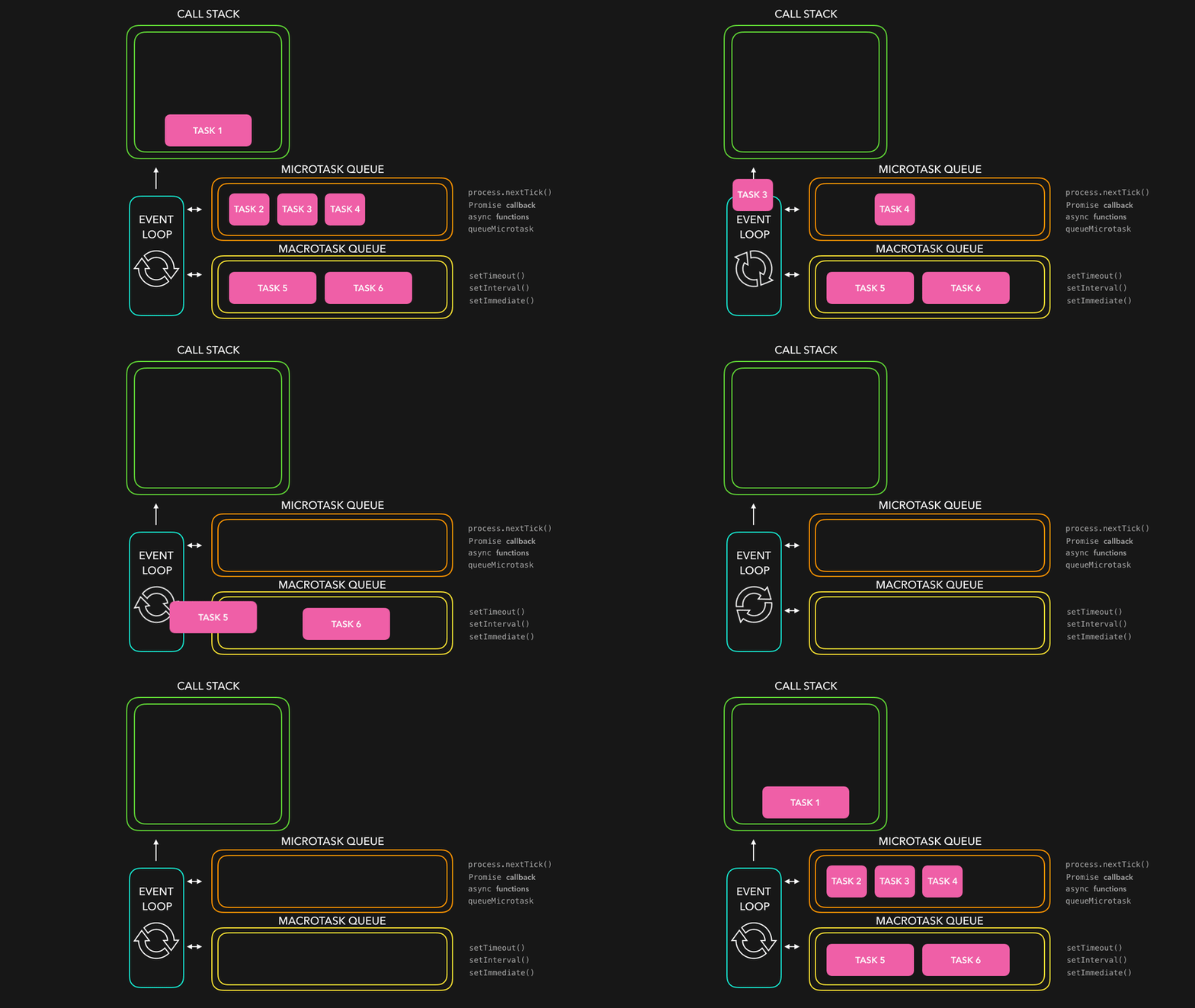
댓글 참고: 마이크로태스크와 매크로태스크, 이벤트 루프를 잘 설명하는 자료가 있어 소개합니다. 마지막 예제에서 많은 분들이 헷갈리실거라 생각됩니다. 다음의 코드를 살펴보면 프라미스가 즉시 거부 처리 됩니다. 그리고 setTimeout 을 이용하여 에러를 catch 합니다. 그런데 여기서 setTimeout은 앞의 과정에서도 알아봤듯이 스케줄링을 '기록' 하는 것이지 즉시 실행시키는 것이 아닙니다. 즉 '기록' 하고 앞에서 에러가 발생되었기 때문에 바로 window 전역객체는 unhandledrejection 이벤트 발생을 감지합니다. 그렇기 때문에 unhandledrejection 이벤트가 먼저 발생하는 것입니다. 해당 부분은 이벤트 루프와 마이크로 태스크, 콜 스택, 콜백 큐, webAPIs 등등을 알아야 이해가 가능한 부분이라 생각됩니다. 그렇기에 코어 쪽 스크립트에서 다룰 줄 알았는데 아마 브라우저 API와 연관되어 있어 뒤쪽 과정에 배치 된 것 같습니다. let promise = Promise.reject(new Error("프라미스 실패!"));
setTimeout(() => promise.catch(err => alert('잡았다!')), 1000);
// Error: 프라미스 실패!
window.addEventListener('unhandledrejection', event => alert(event.reason)); |
Beta Was this translation helpful? Give feedback.

Uh oh!
There was an error while loading. Please reload this page.
-
unhandledrejection이 발생하는 원리를 이해하지 못함...마이크로태스크 큐에 있는 작업 모두가 완료되었을 때 생성됩니다. 엔진은 프라미스들을 검사하고 이 중 하나라도 ‘거부(rejected)’ 상태이면
unhandledrejection핸들러를 트리거 하죠. 라는데,unhandledrejection핸들러가 트리거되지 않는 이유는?Beta Was this translation helpful? Give feedback.
All reactions