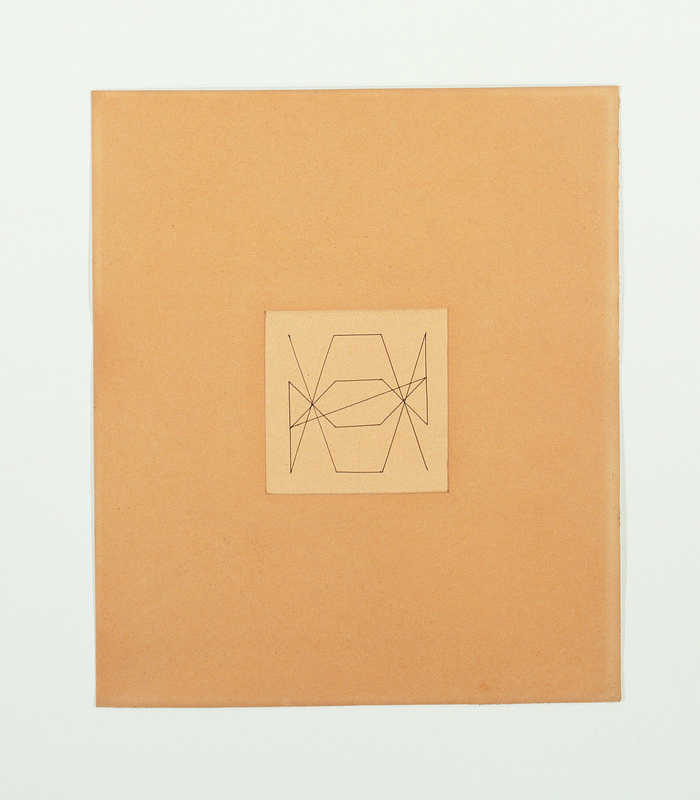
http://digitalartmuseum.org/gallery/image/8745.html
"In spite of their advantages, computers, no more than other simpler tools, do not guarantee that a work of art of good quality will result, for it is an artist's skill that is the decisive factor"
- Vera Molnar, "Toward Aesthetic Guidelines for Painting with the Aid of a Computer"
- start new sketch for gen algorithm
- research genetic algorithms
- figure out how to use a gen algorithm to recreate
- proto with gen algorithm
- start new sketch and build composition based on above
Initial grid implemenation thanks to Gene Kogan (code here).
Use a genetic algorithm to recreate Molnar's homage to Durer. Basic steps for the algorithm (via projectspot):
The problem is in the mating! Only the two fittest should be allowed to mate.
Start with a unique randomized set of arrays.
Abstractly, eveluation should probably be based on how close the image "looks" to Molnar's final composition. However, this is not an easy feat so we may have to stick with numbers.
One simple evaluation could be the distance of each individual's position to the desired position. So For instance:
// these are the positions of our desired outcome
var desired = [0, 13, 14, 3, 11, 6, 5, 8, 7, 10, 9, 4, 12, 1, 2, 15];

// these are the positions of our individual
var individual = [1, 2, 12, 3, 13, 4, 7, 14, 8, 9, 10, 6, 15, 11, 0, 5];

// we have a granular fitness that contains the distance between each
// individual value and the desired outcome
var granularFitness = [];

// --> [1, 11, 2, 0, 2, 2, 2, 6, 1, 1, 1, 2, 3, 10, 2, 10]
individual.forEach(function(value, index){
  granularFitness.push(Math.abs(desired[index] - value));
});


// this will just add all of the granular fitnesses together a lower number is better
var overallFitness = granularFitness.reduce(function(mem, value, i) {
  return mem + value;
});Sort the individuals by fitness, mate the most fit with each other. Should the most fit pair have more children? Is it necessary to remove some individuals from mating?
Maybe need to use granular fitness in how mating pairs are selected?
// assume this is an array of existing individuals
var individuals;
// the maternity ward
var children;
// this will contain more info
var evaluatedIndividuals;
// the number of individuals that will be completely
var extinctions = 2;

// first evaluate fitness on each individual and
individuals = individuals.map(function(individual, index) {
  return {
    // the dna is the original array
    dna: individual
    // assuming that we have a function defined that uses
    // the fitness evaluation above
    , granularFitness = getGranularFitness(individual)
    , overallFitness = getOverallFitness(individual)
  }
})

// now sort them
individuals = individuals.sort(function(a, b) {
  return a.overallFitness - b.overallFitness;
});


// ok we need to attempt to pair with more granularly compatable mates.
// this means that for each set of genes, the seeking individual will look
// a mate that complements their least "fit" genes
// this seeking should happen in order of overall fitness, so the most
// fit find their ideal mate first.

// question: is there any reason to limit how many partners an individual
// has? if one individual happens to complement the rest of the population,
// should they be able to mate with everyone? (does this society allow promiscuity?)

// this will be a two-dimensional array of individuals.
// each gene slot will be inhabited by the individual that is most fit
// for that slot
var fitnessMatrix = [];

// fill empty slots in the fitness matrix
for(var i = 0; i < individuals[0].length; i++ ){
  fitnessMatrix[i] = null;
}

// populate the fitness matrix
fitnessMatrix.forEach(function(value, geneIndex) {
  var currentBest = fitnessMatrix.length;
  var currentBestIndividual;

  individuals.forEach(function(individual) {
    if(individual.granularFitness[geneIndex] > currentBest) {
      currentBest = individual.granularFitness[geneIndex];
      currentBestIndividual = individual;
    }
  });

  fitnessMatrix[geneIndex] = currentBestIndividual;
});


var pairs = [];
// now go through individuals in order and find their least 'fit' gene
individuals.forEach(function(individual, index) {
  var currentWorstFitness = -1;
  var currentWorstIndex;

  individual.granularFitness.forEach(function(fitness, index) {
    if(fitness > currentWorstFitness) {
      currentWorstFitness = fitness;
      currentWorstIndex = index;
    }
  });

  pairs.push([individual, fitnessMatrix[currentWorstIndex]]);
});

// turn into array of pairs
// var pairs = []
// while(individuals.length) {
//   pairs.push(individuals.splice(0, 2));
// }

// if we want to remove the weakest from
// the gene pool altogether
// pairs.pop();


var children = []

// going to "mate" each pair both ways,
// so each pair ends up with 2 kids
pairs.forEach(function(pair, index) {
  children.push(mateIndividuals(pair[0], pair[1]));
  children.push(mateIndividuals(pair[1], pair[0]));
});

// in cases where we remove individuals from the gene pool,
// we should fill in with randomly generated individuals
while(children.length < individuals.length) {
  children.push(getRandomIndividual());
}
Now we should have a new generation of mated children.
Need to combine attributes of selected individuals for new population. Essentially a random mixing? This is a little tricky because we need to maintain the same unique set of numbers.
// our two love birds
var individual1 = [1, 2, 12, 3, 13, 4, 7, 14, 8, 9, 10, 6, 15, 11, 0, 5];
var individual2 = [13, 8, 15, 11, 14, 7, 12, 4, 1, 3, 2, 10, 5, 0, 9, 6];

// our baby-to-be
var child = [];

// our algorithm will have one parent that is genetically
// dominant, and one that is less so (although it may work
// the other way around in certain situations)
var dominantParent;
var nonDominantParent;


// 1. randomly select a parent to be the initial genetic contributor
if(Math.random() < 0.5) {
  dominantParent = individual1;
  nonDominantParent = individual2;
} else {
  dominantParent = individual2;
  nonDominantParent = individual1;
}

// 2. randomly select indexes to copy over verbatim.

dominantParent.forEeach(function(value, index) {
  child[index] = (Math.random() < 0.5) ? value : undefined;
});

// 3. iterate through empty slots in the child array & copy in from the other parent
//    if those values aren't already in the child array

child.forEach(function(value, index) {
  if(typeof value === 'undefined' && child.indexOf(nonDominatParent[index]) === -1) {
    child[index] = nonDominantParent[index];
  };
});

// 4. fill in any remaining values
individual1.forEach(function(value) {
  var nextEmpty;
  if(child.indexOf(value) === -1) {
    nextEmpty = child.indexOf(undefined);
    child[nextEmpty] = value;
  }
});
Now we should have a merged version of both parent arrays, with some potential, mutation in cases where there were empty slots that needed to be filled.
Because of how the crossover algorithm works, there should be some built-in mutation. However, may want to add another mutation step depending on how things work.
It would probably be nice to store the geneology of our drawings as a particular data type. But what?
Present as a webpage that loads just as a duplication of Molnar's composition in the window. Scrolling down will reveal:
- A description of the project
- An image of each previous generation, including information about those which were selected.