Implement physics support in the GLTF module - #69266
Conversation


0d7a826 to
f74b31b
Compare

|
I and @lyuma discussed off-thread with @aaronfranke. We are still reviewing. |

|
Hey 👋 (original proposal author here). Sorry for delay reviewing this. I'll start with thoughts before digging in the code:
I think this is an important step towards user-generated model import, hopefully this goes into the engine! Thanks a lot for working on this. |

|
@Cretezy Thanks! I've updated the OP with a clickable link to MSFT_physics.
For now, you can use Godot to create them. It has also been implemented in Third Room, a Unity game. Eventually it would be great to have Blender support it, it does have physics primitives available, but I am a Blender noob so unfortunately I don't have more details of how this will work in Blender. |
|
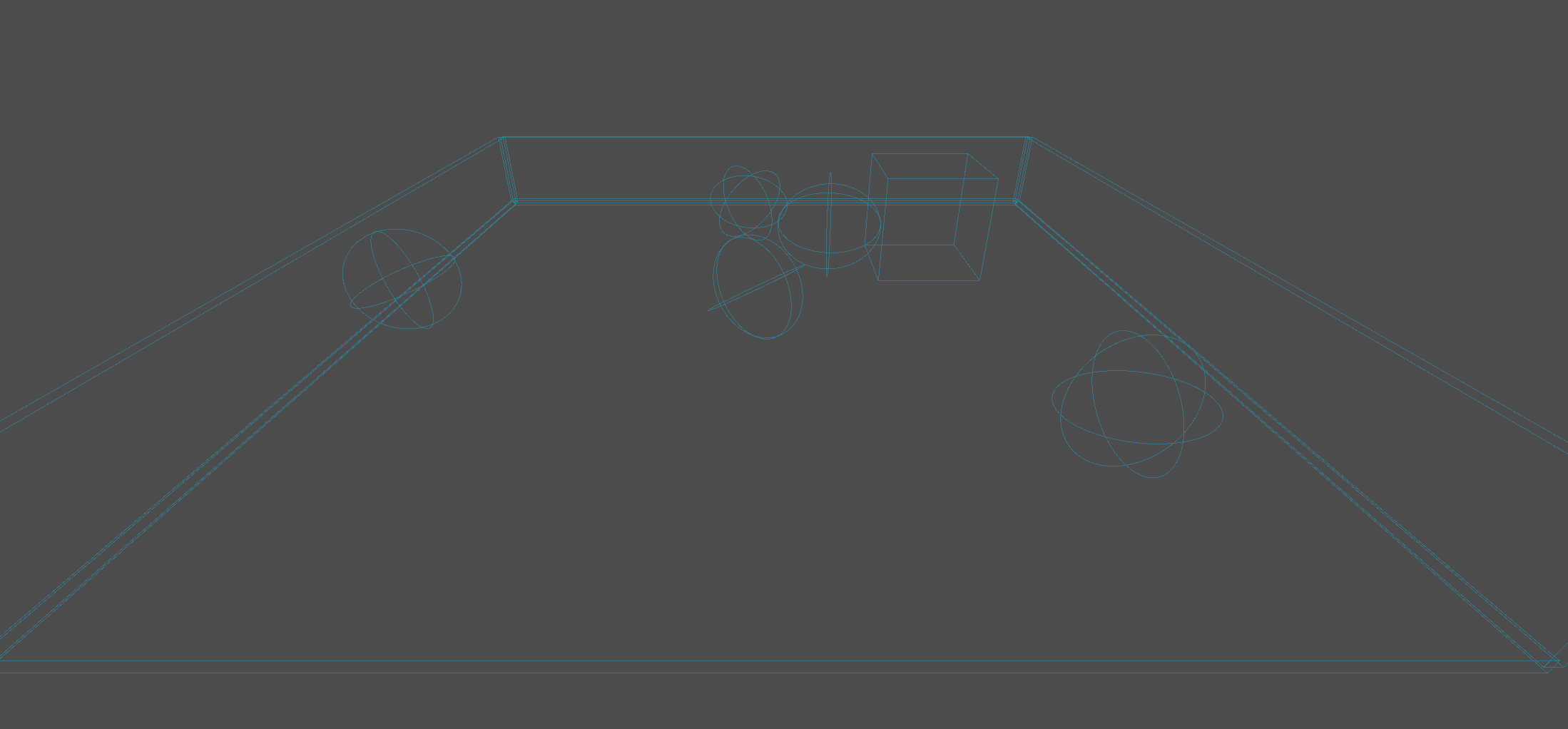
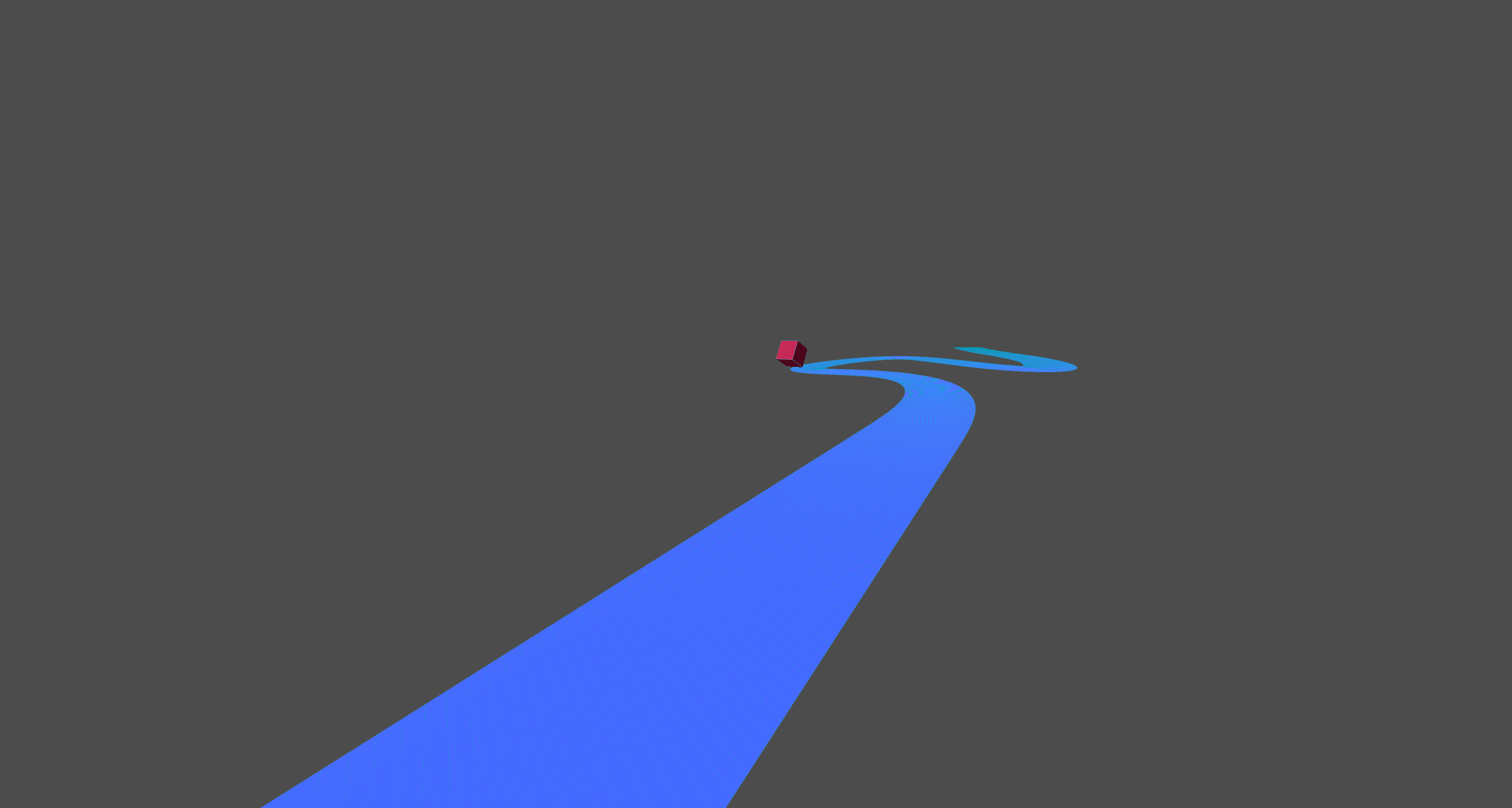
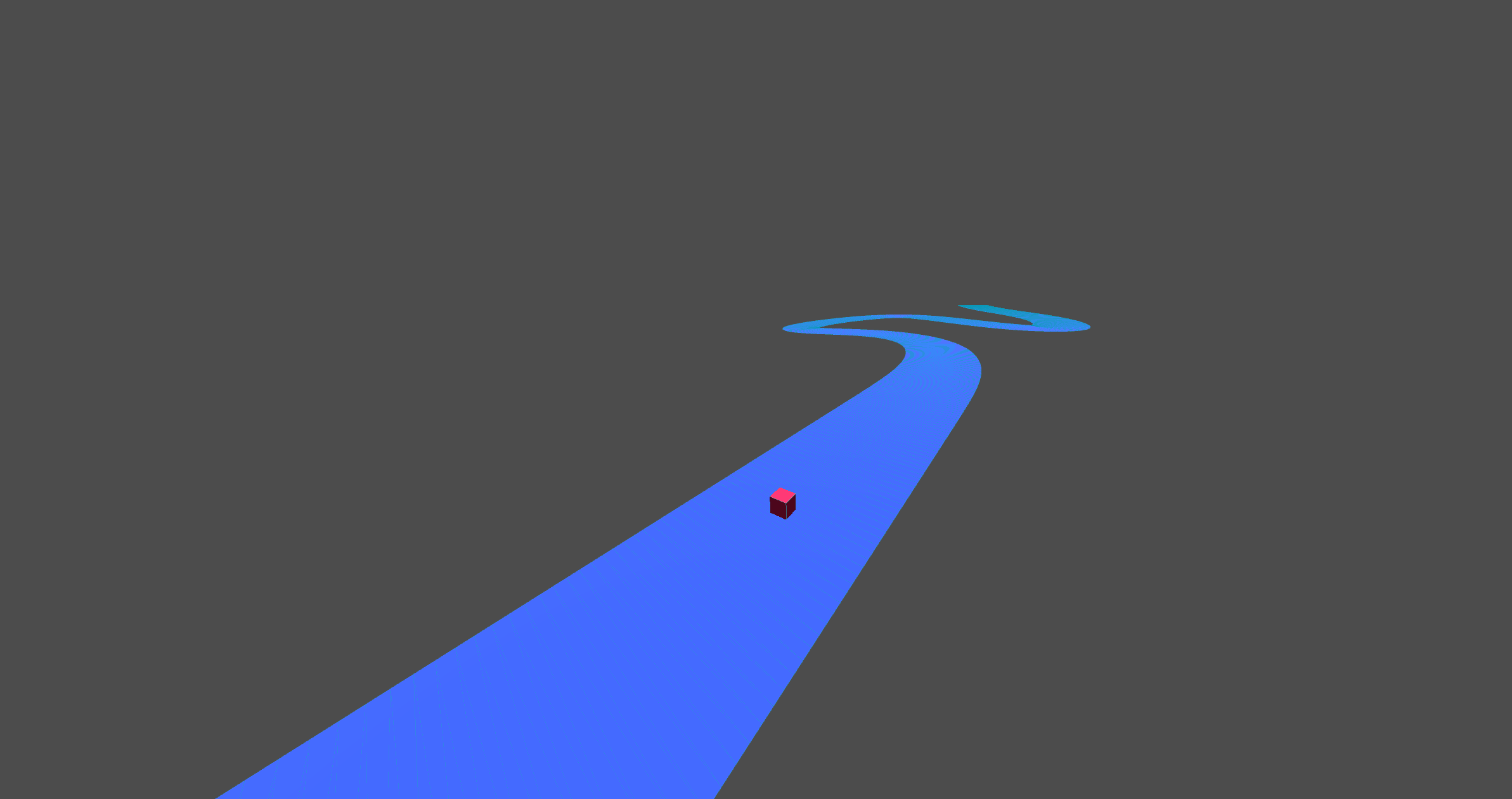
Code tested 👍 I was also able to add one of my basic glTF models (a path for a racing game), generate the static body + collider, add a physics cube, export it, and re-import it succesfully.
Here's the model for reference: test.zip While trying out a more complex scene, figured initial velocity and physics properties (bounce, mass) were missing, but that seems to be missing as part of the |
|
@Cretezy Mass is supported, but more complex physics information should probably be left to another extension. At some point in the future we could see |
f74b31b to
b295e4f
Compare
|
We discussed in Discord and Github the last remaining changes from the OMI_physics and OMI_collider specification point of view. These have been proposed. omigroup/gltf-extensions#125
What's your take on merging as any changes will be less easy? Also we do we want to mark the classes as experimental? |
|
Some things don't match in your opening post.
Can you revise? |
I think it would be good to merge sometime soon. If we have to make breaking changes, there is still time to do this before Godot 4.0 is out. But we may want to first merge the PRs on OMI's end for the standards.
|

|
I'm pretty happy with it. there will continue to be small changes here or there but overall it seems pretty solid. If you look at browsers for example, common practice for these sorts of spec implementation issues is to make it an opt-in feature flag as long as the spec is in draft. So we should make a ProjectSettings property (needs to be synced to everyone working on the project) to allow glTF import and export. This would allow us to add it to 4.0 with very low risk. |
|
I don't think it makes sense to have as a feature flag. It's only used if people try to import/export physics with GLTF. |
|
See the argument against disabling by default #59675 (comment) |
4edcdaf to
3ddd543
Compare
61d4779 to
c7d6349
Compare


There was a problem hiding this comment.
TLDR; Approved after 4.x branch cut.
We believe the gltf physics changes should be merged after 4.0 is branched off master to get the full benefit of testing. I and Lyuma approve the changes. There is an alternative spec from KHR and the plan is to integrate that as it is ratified in some amount of time.
Edited:
Swapped 4.x versus 4.0.


c7d6349 to
639b8e7
Compare


|
Thanks! |
5 participants


Implements and closes godotengine/godot-proposals#5268
This PR implements physics support in the GLTF module. This allows importing physics objects from a GLTF file using the
OMI_colliderandOMI_physics_bodyGLTF extensions. omigroup/gltf-extensions#127 and omigroup/gltf-extensions#125The code is designed in a modular and carefully abstracted way. There are helper classes
GLTFColliderandGLTFPhysicsBodythat serve as an intermediary between the importedOMI_*physics data and Godot's nodes.The
*_dictionarymethods handle converting to/from the JSON Dictionary data that gets stored in the GLTF files, and the*_nodemethods handle converting to/from Godot nodes.GLTFDocumentExtensionPhysicsis the stateless master class that manages the other two helper classes during the import and export processes.OMI_collideris designed to be able to work independently ofOMI_physics_bodyto allow for simpler files. This PR handles this case. If a collider is by itself, we create two nodes, a body (StaticBody3D or Area3D, depending on the collider's isTrigger flag), and a CollisionShape3D child.Both importing and exporting GLTF files with physics is fully supported. GLTF -> Godot -> GLTF round-trip conversions should keep everything functional (even if the data is slightly different, such as Godot adding a physics body parent to GLTF files with standalone colliders). Godot -> GLTF -> Godot round-trip conversions should also keep everything functional for the data present in the standard (GLTF OMI physics won't keep track of everything Godot does).
One implementation note:
MSFT_physicsappeared as a competing standard to OMI's physics extensions. Due to the abstractions I mentioned earlier, ifMSFT_physicsends up taking off as a popular standard, it should be fairly simple to modify this code to allow reading (and maybe writing) Microsoft physics by modifying the*_dictionarymethods. For now, this PR only implements reading and writing OMI physics data. We can also allow reading both, so there is no risk of future breakage with merging this PR.Here is a test project that tests most things listed above: Godot_GLTF_OMI_physics.zip
I am also interested in backporting this to Godot 3.x to help with using GLTF as an independent scene format interchangeable between different Godot versions (and also interchangeable between other engines). #76453